

In an era of rising utility costs and growing environmental awareness, optimizing your home energy efficiency has never been more important.
Energy efficiency is not merely about reducing monthly expenses; it is a vital strategy for minimizing your carbon footprint, conserving natural resources, and creating a more comfortable, climate-stable indoor living environment.
Every household consumes energy daily for heating, cooling, lighting, and running appliances, leaving ample room for meaningful improvements. Whether you live in a historic property or a modern dwelling, implementing strategic upgrades can yield dramatic savings.
Below are five practical tips and expert strategies to help you transform your home into an energy-efficient powerhouse.
1. Maximizing Natural Solar Gain Through Well-Designed Conservatories
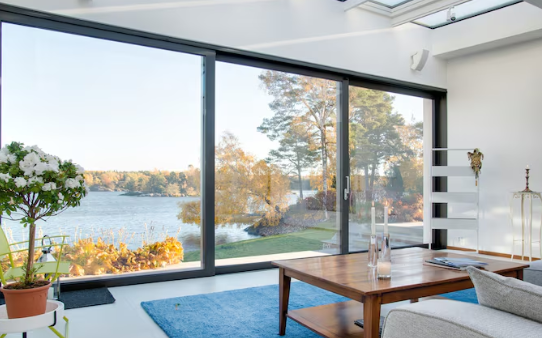
Adding a sunlit glass extension to your home can be a fantastic architectural feature, provided it is engineered with thermal performance in mind.
Modern, high-performance conservatories utilize advanced glazing technologies, insulated frames, and smart ventilation systems to capture solar heat during cooler months while preventing overheating in the summer.
By functioning as a natural thermal buffer between the outdoors and your primary living areas, a well-designed glass pavilion can significantly reduce your reliance on central heating and lower overall household energy consumption.
2. Eliminating Drafts and Thermal Loss with Premium Replacement Windows
Windows are among the leading culprits for thermal loss in residential properties, often allowing conditioned indoor air to escape while permitting outside drafts to infiltrate.
If your current windows are single-paned, warped, or failing at the seals, undertaking professional replacement windows is an essential step toward energy independence.
Upgrading to double or triple-pane glass insulated with inert gases like argon, paired with low-emissivity coatings, creates a powerful thermal barrier that stabilizes your indoor temperature year-round.
3. Upgrading to Smart Thermostats and Advanced Climate Control
Heating and cooling typically account for the largest share of household energy expenditures. Leaving systems running continuously or maintaining extreme temperatures while rooms are unoccupied wastes substantial amounts of energy and money.
Installing a programmable or smart thermostat allows you to automate your indoor climate based on your daily schedule, weather forecasts, and occupancy patterns.
These intelligent devices learn your preferences and optimize HVAC operations, ensuring your home remains cozy only when needed and conserving power while you are away.
4. Transitioning to Energy-Efficient LED Lighting and Smart Fixtures
Outdated incandescent and inefficient halogen bulbs convert a staggering amount of electrical energy into unwanted heat rather than usable light, driving up electricity bills.
Replacing standard bulbs throughout your home with high-efficiency light emitting diode alternatives is one of the easiest and most cost-effective energy upgrades you can make.
LEDs consume a fraction of the electricity, last significantly longer, and produce virtually no heat. Pairing these bulbs with motion sensors, dimmer switches, and smart lighting controls ensures you never waste electricity on empty rooms.
5. Sealing Air Leaks and Enhancing Comprehensive Insulation
Even with brand-new windows and doors, microscopic air leaks around baseboards, attic hatches, electrical outlets, and plumbing penetrations can silently drain your home energy efficiency.
Conducting a thorough thermal audit to identify and seal these drafts using weatherstripping, caulk, and expanding foam makes an immediate difference.
Furthermore, ensuring your attic and wall cavities are lined with high-grade insulation prevents heat from escaping upward during winter and blocks blistering outdoor heat from penetrating during summer.