

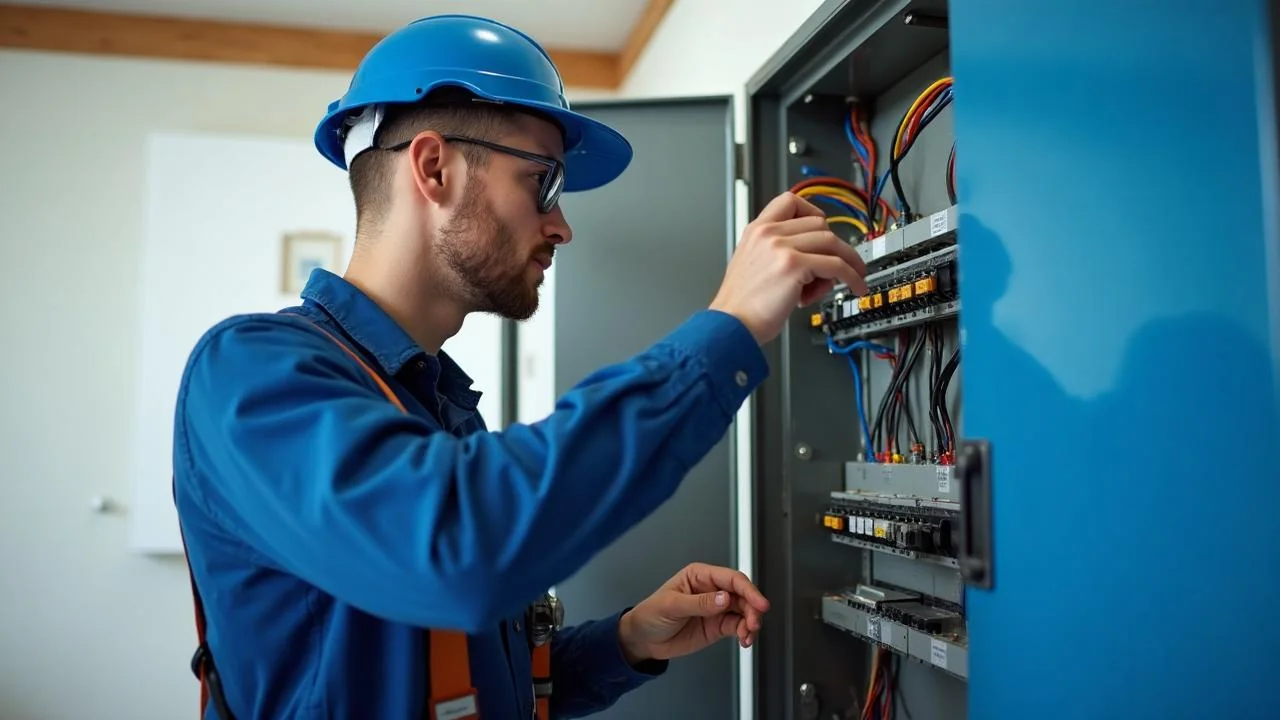
Finding dependable Barnes Electricians is important for homeowners, landlords, and business owners who want to maintain safe, efficient, and reliable electrical installations. From repairing faulty sockets and upgrading consumer units to installing modern lighting and arranging electrical inspections, professional electrical services help keep properties functioning properly while addressing potential safety concerns.
Barnes, in southwest London, is known for its village atmosphere, period homes, riverside properties, converted flats, and independent businesses around Barnes High Street and Church Road. These different property types can have varied electrical requirements. Older houses may need assessments of existing wiring, while renovated homes and commercial premises often require additional circuits, energy-efficient lighting, and modern electrical protection.
Understanding common electrical problems, planning maintenance, and choosing a suitably qualified electrician can help property owners make informed decisions. With a proactive approach, electrical improvements can support everyday convenience, safety, and the long-term condition of a property.
1. Understanding the Electrical Needs of Barnes Properties
Barnes has a distinctive mix of traditional architecture and contemporary homes. Period properties near Barnes Green and the surrounding residential streets may have electrical installations that have been modified several times over the years. Meanwhile, modern apartments and refurbished houses may require additional capacity for appliances, home offices, smart technology, and improved lighting.
Older electrical installations are not necessarily unsafe simply because of their age. However, their condition should be assessed appropriately, particularly before major renovations or the introduction of new electrical equipment.
A professional electrician can inspect relevant parts of an installation, test circuits, assess protective devices, and identify any issues requiring attention. This helps property owners understand whether repairs, upgrades, or further investigations are necessary.
Electrical planning is particularly useful when purchasing a property, converting a room, renovating a kitchen, or adding equipment that places greater demands on the existing electrical system.
2. Common Electrical Problems and Their Warning Signs
Electrical faults can develop gradually or appear without warning. Recognising common symptoms can help residents take appropriate action before a minor issue causes greater disruption.
Some problems that may require professional attention include:
- Frequently tripping circuit breakers: This can indicate an overloaded circuit, a faulty appliance, or another electrical defect.
- Flickering or dimming lights: Possible causes include defective components, loose connections, or problems within the lighting circuit.
- Damaged sockets and switches: Cracked covers, loose fittings, or discolouration should not be ignored.
- Intermittent power loss: Repeated interruptions may require professional electrical fault-finding.
- Unusual buzzing or burning smells: These can indicate a potentially dangerous electrical condition.
- Insufficient electrical outlets: Heavy reliance on extension leads may suggest that the socket layout needs improvement.
If a socket or switch becomes unusually hot, produces sparks, or gives off a burning smell, stop using it and keep clear. Isolate the affected circuit only if it is safe to do so. Never remove electrical covers or attempt repairs on live equipment. If smoke or fire develops, leave the area and contact the emergency services.
A qualified electrician can investigate the underlying cause and recommend suitable repairs rather than relying on temporary fixes.
3. Electrical Inspections and EICR Reports
An Electrical Installation Condition Report (EICR) provides an assessment of a property’s fixed electrical installation. It can identify deterioration, damage, potential electric shock risks, fire hazards, and other defects that may require remedial work.
An inspection may cover the consumer unit, accessible wiring, sockets, switches, earthing arrangements, bonding, and relevant protective devices. Appropriate testing helps determine whether the installation is suitable for continued use and whether further investigation is required.
For homeowners in Barnes, an EICR can be useful when purchasing an older house, planning a refurbishment, or checking an installation that has not been inspected for some time.
Landlords also have specific electrical safety responsibilities. In England, applicable regulations generally require rented residential properties to have their fixed electrical installations inspected and tested by a qualified person at least every five years. Landlords must also obtain the relevant report, provide documentation as required, and arrange necessary remedial work.
The findings should be explained clearly so property owners understand any recorded defects and the recommended next steps. Keeping reports, certificates, and records of completed work organised also helps with future maintenance and property transactions.
4. Consumer Unit Upgrades and Modern Electrical Protection
The consumer unit, commonly known as the fuse board, distributes electricity throughout a property and houses protective devices for individual circuits.
An upgrade may be appropriate when an existing unit is damaged, lacks suitable protective arrangements, has insufficient capacity for additional circuits, or is identified as requiring improvement during an electrical inspection.
Modern electrical installations may use residual current devices (RCDs), residual current circuit breakers with overcurrent protection (RCBOs), and surge protection where appropriate. The correct configuration depends on the property’s installation, equipment, and assessed requirements.
Before recommending a replacement, an electrician should consider the condition of the existing wiring, earthing arrangements, circuit requirements, and anticipated electrical demand. Replacing the consumer unit alone does not automatically resolve defects elsewhere in the installation.
For Barnes homeowners planning kitchen renovations, additional appliances, or new electrical circuits, discussing future requirements before work begins can help ensure the installation is designed appropriately.
After an upgrade, customers should request the relevant electrical certification and any applicable Building Regulations compliance documentation.
5. Lighting, Socket Installations, and Energy Efficiency
Well-planned electrical improvements can make a property more practical, comfortable, and energy-efficient. Suitable lighting and conveniently positioned sockets are particularly useful when rooms serve multiple purposes, such as living areas that double as home offices.
Common improvements include:
- Installing additional sockets in bedrooms, living rooms, and workspaces.
- Replacing worn switches and damaged electrical accessories.
- Updating kitchen lighting to improve visibility.
- Installing suitable outdoor and security lighting.
- Adding compatible dimmer switches and smart lighting controls.
- Installing or replacing extractor fans where appropriate.
LED lighting is a popular choice for property owners looking to reduce electricity consumption. Suitable LED lamps generally use less energy than traditional incandescent lamps, although actual savings depend on usage patterns and the equipment selected.
Smart lighting and programmable controls can also provide greater convenience by allowing users to manage lighting according to their needs. Any new equipment should be compatible with the existing installation and installed according to its requirements.
Bathrooms, kitchens, gardens, and other areas exposed to moisture require particular care. Equipment selection, circuit protection, and installation methods must be suitable for the environment.
Planning improvements carefully helps create a practical electrical layout while reducing reliance on extension leads and temporary arrangements.
6. Electrical Services for Landlords and Local Businesses
Barnes includes private rental homes, converted flats, independent shops, cafés, restaurants, and professional offices. Maintaining safe electrical systems is important for all these properties.
Landlords need to manage electrical safety responsibly, arrange inspections where required, and retain relevant documentation. Property managers may also need to coordinate appointments with tenants and building management teams.
For businesses, electrical reliability can affect daily operations, staff productivity, and customer experience. Faulty lighting, damaged sockets, or unreliable circuits may create avoidable interruptions.
Depending on the premises, electrical services may include:
- Electrical inspections and EICR reports.
- Fault diagnosis and repairs.
- Lighting installation and upgrades.
- Consumer unit replacements.
- Additional sockets and circuits.
- Emergency lighting installation or maintenance where required.
- Electrical improvements during office and retail refurbishments.
Business owners should explain how their premises operate before requesting a quotation. A clear scope of work, realistic timescales, and details of the documentation provided help ensure the proposed service meets the property’s needs.
Planned maintenance can also help identify potential problems before they lead to more disruptive repairs.
7. How to Choose Qualified Barnes Electricians
Choosing an electrician involves more than comparing prices. Property owners should consider relevant qualifications, practical experience, clear communication, and a responsible approach to electrical safety.
Check qualifications and professional registration
Ask about the electrician’s qualifications and experience with the type of work required. Where applicable, verify registration with a recognised electrical competent person scheme or certification body.
Experience with period houses, converted flats, modern residential installations, or commercial premises may be particularly useful depending on the project.
Request a clear written quotation
A written quotation should explain the proposed work, labour and material costs, expected timescales, and any exclusions. It should also clarify how unexpected faults or additional work will be handled.
Confirm testing and documentation
Ask which tests will be performed and whether an electrical certificate, EICR, or Building Regulations notification is required. Appropriate documentation provides a record of the completed work and can support future maintenance.
Assess communication and professionalism
A reliable contractor should explain the problem in understandable terms, discuss suitable options, and answer questions about the proposed work. It is also sensible to confirm that the contractor has appropriate insurance.
For property owners researching local electrical services, Barnes Electricians is a relevant starting point for exploring available services and discussing specific electrical requirements.
Taking time to assess these factors helps customers make an informed choice based on suitability, safety, and workmanship rather than price alone.
8. Planning Electrical Improvements for Future Needs
Electrical requirements can change as households grow, properties are renovated, and businesses expand. A kitchen refurbishment, loft conversion, home office, or garden room may require changes to existing circuits and electrical accessories.
Involving an electrician early in the planning process allows socket positions, lighting arrangements, appliance connections, and circuit requirements to be considered before construction and decorating are completed.
Property owners may also wish to discuss electric vehicle charging, solar photovoltaic systems, battery storage, and smart heating controls. These technologies can require careful assessment of electrical capacity, equipment compatibility, and protective arrangements.
A professional assessment can establish which improvements are suitable and whether changes to the existing installation are necessary. All work should comply with applicable UK electrical standards and Building Regulations.
Keeping records of inspections, certificates, and completed upgrades is another useful practice. These documents can help property owners make informed decisions about future repairs, improvements, and property transactions.
Planning ahead allows electrical systems to adapt to modern living while supporting safety, convenience, and long-term reliability.
Conclusion
Reliable electrical installations are essential for the safety and everyday operation of homes and businesses throughout Barnes, London. From resolving faulty sockets and upgrading consumer units to arranging EICR inspections and improving lighting, professional electrical services help property owners maintain their installations and respond to changing requirements.
Recognising warning signs, arranging appropriate inspections, and checking an electrician’s qualifications and documentation are practical steps towards making informed decisions. Landlords should also remain aware of their electrical safety responsibilities and keep relevant records up to date.
Whether maintaining a period home near Barnes Green, upgrading a converted flat, or managing a commercial property, a safety-focused approach to electrical work can help reduce avoidable disruption and support the long-term condition of the installation.