
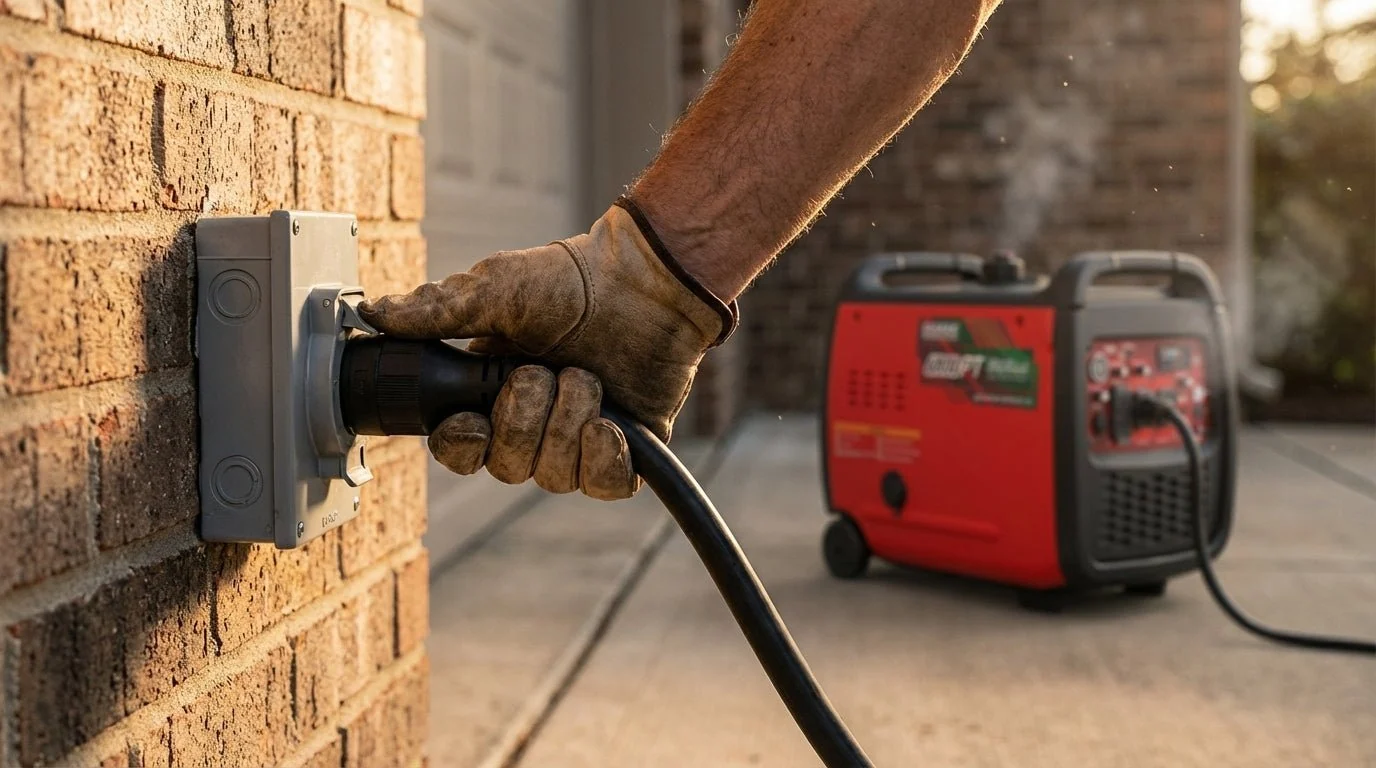
A generator is useful only when it can supply power without creating dangerous shortcuts. Generator connection planning should begin with how electricity will enter selected household circuits, where the equipment will operate, and how the utility supply will remain isolated while backup power is being used.
Improvised cords and makeshift panel connections can create shock, fire, and backfeed hazards. A planned connection system is safer and easier to operate during an outage.
Choose the Connection Method Before an Emergency
A portable generator may be connected through approved equipment designed for generator use, while permanent standby systems normally use dedicated transfer equipment. The exact arrangement should match the generator, electrical service, and circuits being supplied.
Homeowners already organizing renovation priorities can use residential planning ideas when deciding where electrical equipment, storage, and access paths should fit around the property.
Keep Utility and Generator Power Separated
The connection must prevent generator power from being unintentionally fed toward utility lines. Transfer equipment or another approved interlocking arrangement is commonly used for this purpose.
Electrical-panel modifications should be completed by a qualified electrician familiar with the specific system being installed.
Plan a Safe Generator Location
Portable generators must never be operated inside a house, garage, basement, shed, or other enclosed area where exhaust can accumulate. Carbon monoxide is colorless and odorless, making improper placement especially dangerous.
The generator also needs a stable operating area where exhaust is directed away from occupied spaces and openings. When exterior layouts are being reconsidered, home layout inspiration can help identify practical circulation zones while electrical and safety requirements remain the priority.
| Planning Area | Better Approach | Problem to Avoid |
|---|---|---|
| Connection | Approved transfer equipment | Improvised backfeeding |
| Placement | Outdoor operating location | Enclosed-space operation |
| Circuits | Selected essential loads | Trying to power everything |
| Cables | Proper generator equipment | Random extension-cord chains |
Decide Which Circuits Truly Need Backup Power
Many portable generators cannot comfortably power every circuit in a house at the same time. Prioritizing essential loads makes operation simpler.
A refrigerator, selected lighting, heating-system controls, communication equipment, a sump pump, or other necessary circuits may rank ahead of decorative lighting and high-demand appliances. Families organizing essential household zones can pair electrical planning with practical home ideas so backup priorities reflect how the house is actually used.
Make the Connection Easy to Understand
Emergency equipment should not require guesswork during a storm or nighttime outage. Clear panel labeling can show which circuits are supplied and which loads should remain off.
Keep operating instructions with the equipment and make sure household members understand who should operate the system. Fuel handling and generator startup procedures should follow the manufacturer’s instructions.
Where Generator Plans Commonly Fail
A common mistake is buying a generator first and figuring out the connection later. This can result in inadequate capacity, awkward cable routing, or equipment that does not match the intended electrical arrangement.
Another mistake is assuming a larger generator removes the need for load management. Motors and compressors can draw significant power during startup, so the electrical plan should account for the actual equipment being served rather than only the number of circuits.
Frequently Asked Questions
Can a generator be connected directly to a household outlet?
Improvised connections through ordinary receptacles can create serious hazards, including backfeeding. A generator intended to power household circuits should use an appropriate connection and transfer arrangement designed for that purpose.
What household circuits should receive generator power first?
Priority usually goes to essential loads such as refrigeration, selected lighting, heating controls, communication equipment, pumps, or medically necessary equipment where applicable. Needs vary from one household to another.
Should generator wiring be installed before buying the generator?
Planning both together is preferable. Generator capacity, connection equipment, circuit priorities, inlet location, and electrical-panel configuration should be matched so the finished system operates as intended.
Plan the Connection Before You Need It
A generator should be part of an organized backup-power system, not an emergency improvisation. Identify essential circuits, choose compatible connection equipment, arrange a safe operating location, and have the electrical work completed correctly. A little planning before the outage makes generator operation far simpler when household power actually disappears.